When eBay first entered Japan, they assumed their US auction model and credit card billing would work, only to be run out of the country by Yahoo! Auctions, which adapted to local convenience store payment habits. Today, B2B SaaS startups hit similar growth ceilings in Europe because they assume technical buyers don’t mind English interfaces and overlook the localized billing and compliance standards that local procurement teams demand.
This friction quickly stalls international expansion. When I joined Tumblr to build and scale international development, we knew that our user interface had to feel native to establish trust in each new market we entered. While that was a social media network, the same holds true for even the tiniest of SaaS that want to scale: it’s imperative to localize the product so it matches the payment, billing, and language habits of the target market.
Investing in SaaS Localization
Knowing what a successful SaaS localization process entails prevents costly technical debt and eventually reduces churn. If a customer can’t understand the settings or customer support materials in their local language, they’re likely to cancel.
Investing in localization early on can save millions in customer acquisition costs. I’ve seen SaaS companies spend six figures on global marketing campaigns while their platform remained unoptimized for the local market. The result was high traffic but low conversion simply because the onboarding flow wasn’t localized.
True product localization helps your software match the cultural expectations of your specific market. Maintaining your brand across multiple languages calls for careful planning.
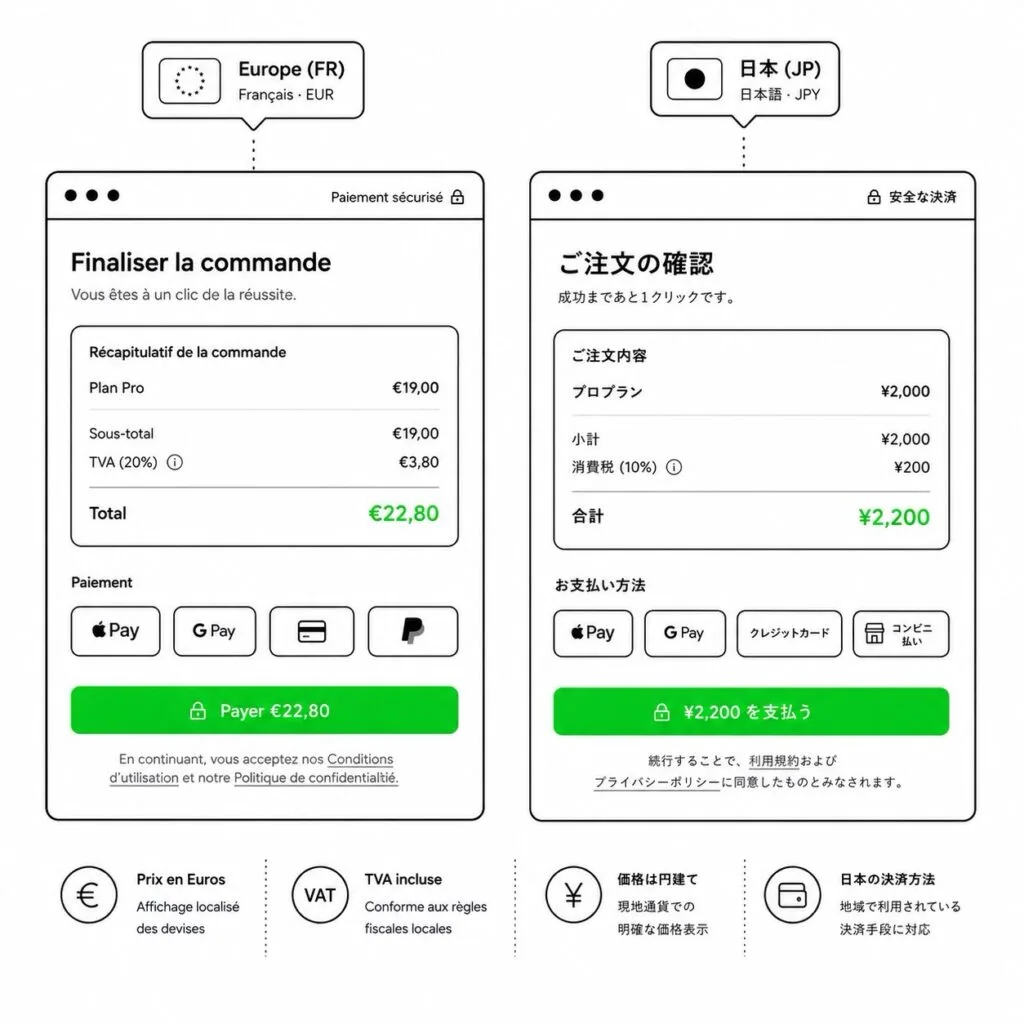
Building a global SaaS also requires cultural understanding. When you localize, you’re not just translating strings, but adapting the entire user experience. This includes date format adjustments, local currency, specific payment methods, and even legal compliance.
SaaS Localization Strategy Best Practices
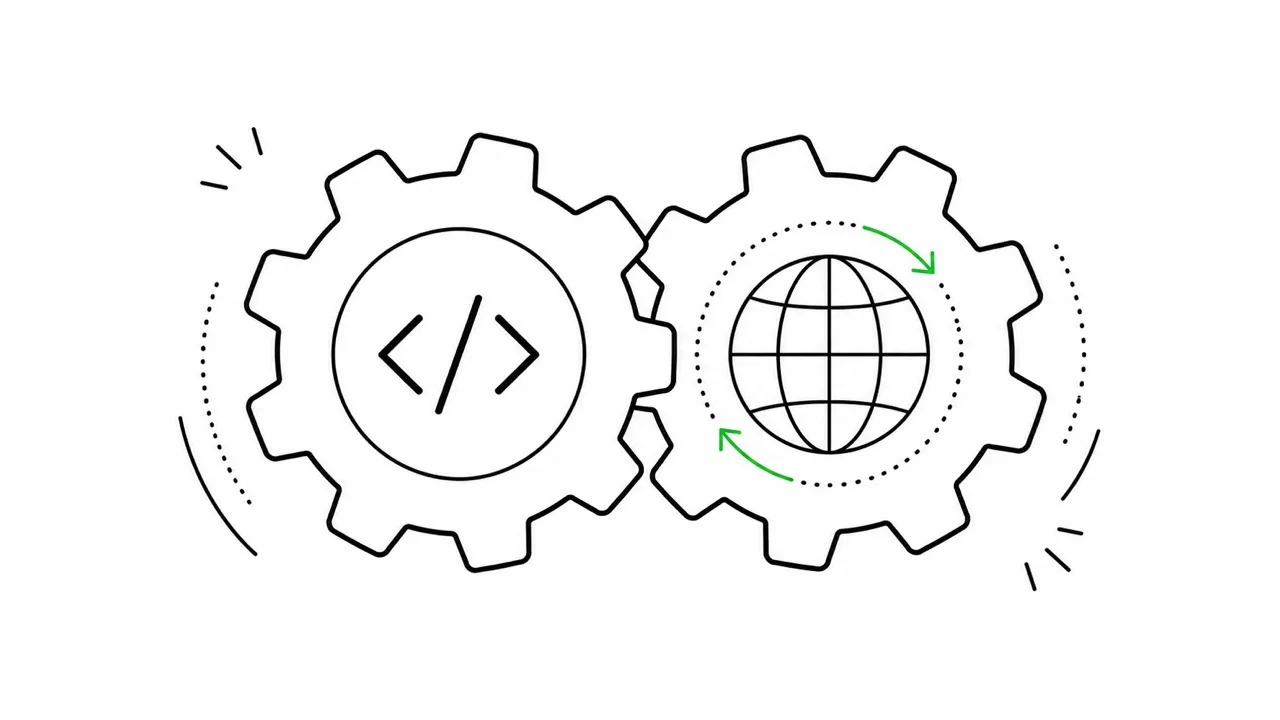
To scale a SaaS product for global markets, you need an engineering strategy that separates content from code. This is called internationalization. When developers hardcode text strings into the database, software localization efforts can quickly become sabotaged by a slew of translation problems across various languages.
A modern SaaS localization strategy relies on automation. When I audit a client’s workflow, one of the first things I look at is how they’re passing files to translators. The repository should be directly integrated with a translation management system (TMS) or translation management tool that allows for a a continuous localization workflow, so design, engineering and localization teams can all work simultaneously.
As developers write code for new features, the strings are sent to the translation platform automatically, translated, and merged back into the codebase without human friction. This setup prevents common design issues like text expansion.
The Right Tools for SaaS Localization
A lot of founders and indie developers in particular think they can just plug an AI-powered translation tool into their SaaS platform and call it a day. Relying solely on raw machine translation though is a recipe for rather embarrassing errors.
It’s good to bear in mind that your translation quality directly reflects your brand name.
To manage a larger localization project, translation memory is must. This technology stores previously approved translations and shows identical and fuzzy matches. This means the same phrase doesn’t have to be translated twice, which lowers translation costs and speeds up scalable localization.
While machine translation can significantly speed up the draft phase, a human translator should still review and edit any customer-facing copy because AI translation just isn’t 100% there yet.
Winning the Customer Journey with Effective SaaS Localization
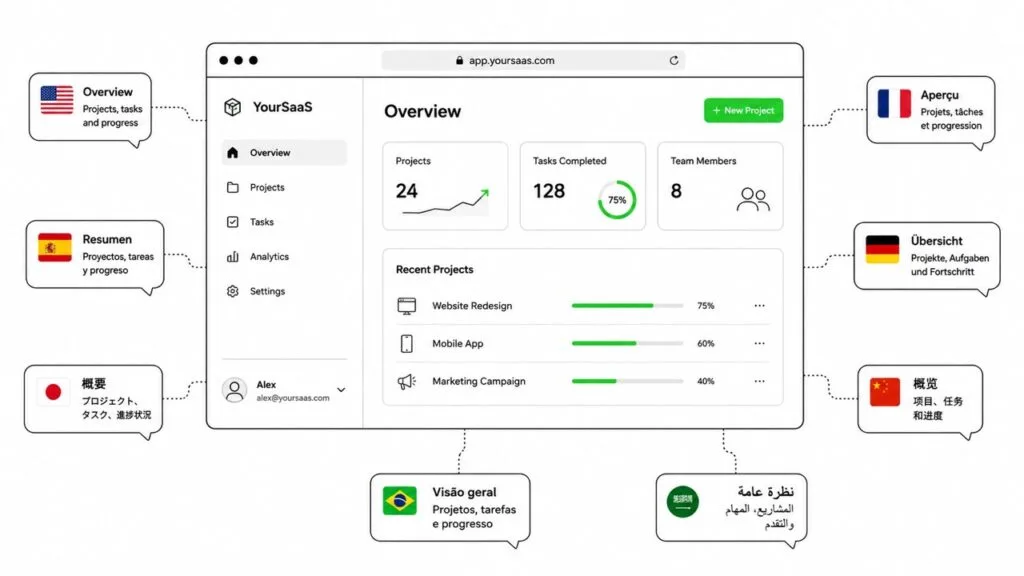
Localizing SaaS extends far beyond the product’s dashboard. To drive global growth, the entire customer journey should be included in your strategy. If marketing landing pages are in German, for example, but the help center and billing pages are only in English, it will only frustrate users.
This means translation scope should cover everything from customer support documentation and automated emails to legal terms. You don’t want to lose customers at the checkout because their preferred payment methods aren’t offered! For example, while credit cards are standard in the United States, users in Europe often prefer bank transfers or localized payment methods like Klarna.
As new features roll out, the translation process should trigger automatic updates so that the software ideally remains fully localized in every target language.
FAQ
How do I automate the SaaS localization workflow?
Integrate your repository with a cloud-based translation management system (TMS) to automate the translation process. This setup allows you to automatically send new development strings to translators without manual exports. With a continuous workflow, developers can build new features while translators work in parallel.
Why shouldn’t we rely on AI translation?
While machine translation tools do speed up translation tasks, they typically miss cultural nuances and context-specific terminology in the UI. A raw translation can result in broken layout issues or embarrassing phrasing that damages customer trust. Combining an AI-powered translator tool with human review is currently still the best approach to reliably localize your SaaS product.
What’s the difference between translation and localization for SaaS?
Standard translation only focuses on converting text from one language to another. Localization for SaaS adapts the entire user experience, including currency, payment methods, text expansion constraints, and customer support. It’s the process that makes your software product feel native to users in a specific target market.
How should I handle text expansion in the user interface?
Translating English text into other languages can result in up to thirty percent longer strings, which might cause UI issues. To prevent broken layouts, software development teams should design a flexible user interface that accommodates text expansion. Utilizing dynamic variables and flexible CSS containers prevents the frontend design from breaking in different languages.
Your Next Move: Build a System for Your SaaS Product
A successful SaaS localization strategy is a powerful engine for international growth, but it takes more than just translating files. By building a continuous localization workflow, investing in localization tools, and working with professional localization services, you can scale globally with confidence. Your international customers deserve a user experience that feels native, which in turn will drive higher conversion rates and lower churn.
Expand Your Reach with Expert Language Solutions
Partner with Modilingua for tailored content localization strategy, international SEO, and bespoke translation services. Break cultural barriers and grow your business in new markets with scalable, user-centric solutions.
At Modilingua, I help software companies design and execute their SaaS localization strategy from the ground up. Whether you need hands-on localization or consulting on continuous deployment, let’s talk about how we can build a scalable framework together so you can focus on building a world-class SaaS product.
