Multilingual Support Is More Than Translation
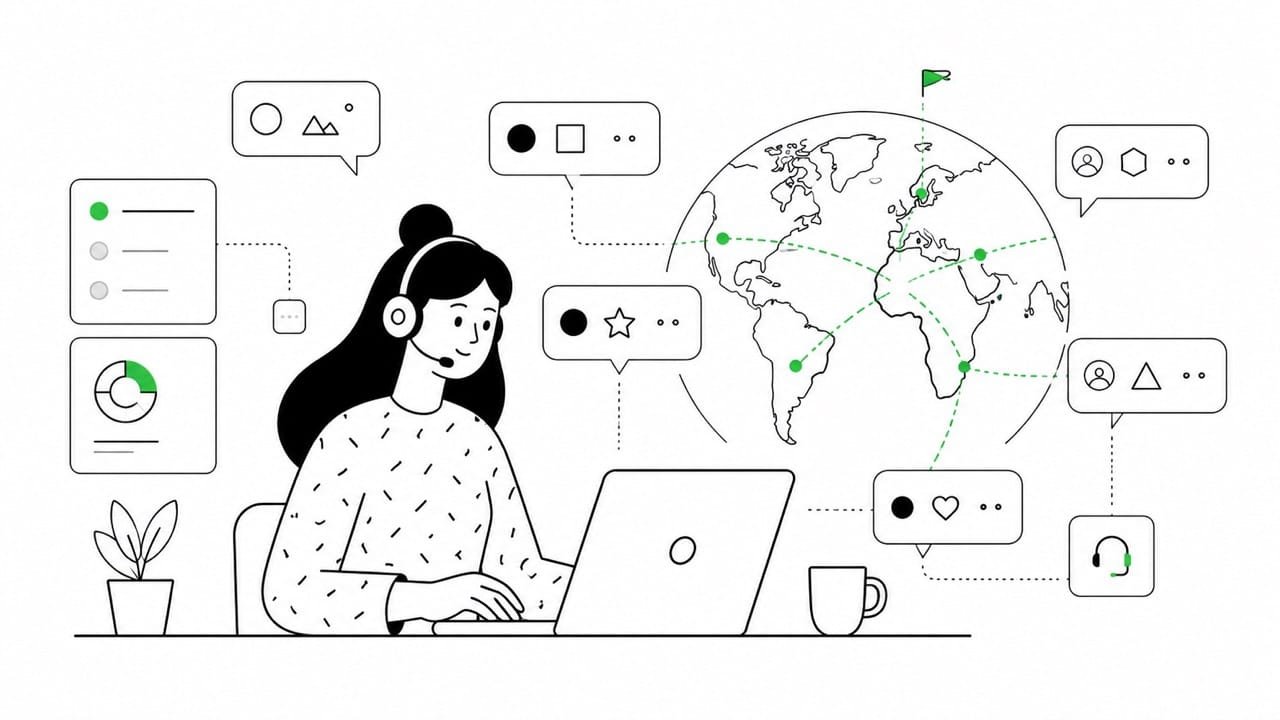
A lot of young startups approach multilingual customer support as a simple language conversion problem. A customer writes a message in Spanish, French or another language, software translates it into English, and the support team replies through the same tool.
That may work for straightforward questions, but customer support is rarely straightforward. A request can contain product terminology, account details, screenshots, incomplete sentences or references to an earlier customer interaction. AI translation may produce fluent text while still missing the intended meaning.
Localization adds context that translation alone lacks. It defines how product names, features, policy terms and instructions should appear across languages. It also accounts for culture, tone, regulatory compliance and the expectations of each target audience.
A multilingual support system therefore needs more than software that can translate words. It takes reliable multilingual content, approved terminology and a process to help support agents understand what the customer means.
Where Multilingual Customer Support Breaks Down
Problems begin when translation technology is adopted without changing how support content is managed.
A knowledge base may be available in multiple languages while its localized help articles are months behind the English versions. Multilingual chatbots might be responding based on outdated content. Multilingual email support can use one set of terms, while the internationalized web application, marketing site and support person are using another.
Even language detection can fail. A bilingual customer may write in one language and quote an error message in another. The reply can then arrive in the wrong preferred language.
Inconsistencies like these create a new layer of friction instead of removing language barriers. Customers notice when a product, chatbot or support line describe the same feature differently. Poor multilingual support can also hide patterns in customer data: when support tickets are translated without preserving the original language, CS teams may miss market-specific issues or terminology problems.
A Localization Workflow to Improve Customer Experience
Providing multilingual customer support starts with the source content. Before a company even tries to offer multilingual support in dozens of languages, it should audit the material its support team is currently using.
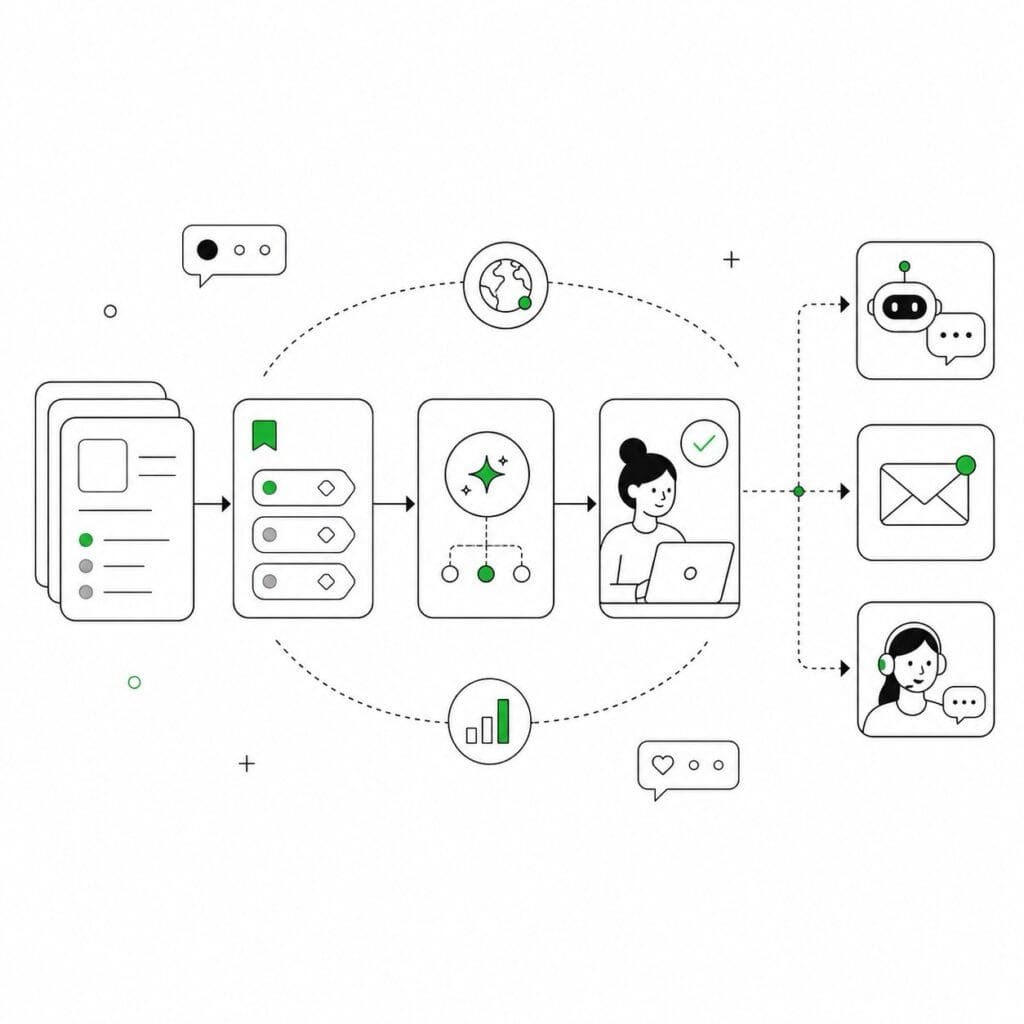
First, review the source language’s knowledge base, templates, chatbot answers and recurring replies. Remove duplicate or contradictory information. Translating a poor source article into multiple languages won’t make it more useful.
Next, decide which new markets need full native language support and which can initially rely on real-time translation. High-volume markets may justify dedicated agents. Lower-volume markets could use AI translation with human escalation.
Create a terminology base for product names, interface labels, technical terms and policies. Translation tools and AI systems should use this multilingual knowledge rather than inventing a new term for every message. Google Cloud, for example, uses translation glossaries specifically to apply domain-specific terminology consistently.
Then connect translation to the content workflow. When an English help article changes, localized versions should be flagged for review. Articles in multiple languages need owners, status tracking and update rules.
AI can translate routine messages, classify tickets and suggest replies. Automation can route requests by language preference, product area or risk. AI shouldn’t make every final decision, however. Billing disputes, safety issues, compliance questions and any emotionally charged complaints may require a native speaker, specialist translation services or another qualified reviewer.
In short, the strongest use cases for multilingual AI are repetitive, low-risk interactions supported by clear source content. The weakest are ambiguous requests that lack context.
Reaping the Benefits of Multilingual Support
The advantages of multilingual support go beyond speaking your customers’ language. A well-designed system gives users access to the same accurate information wherever they are and whichever channel they use.
That can lead to faster resolution, fewer repeat contacts and less confusion. Customers are less likely to lose confidence when the website, help center, chatbot and support team all use the same terminology and provide the same answers.
Multilingual support also makes it easier to enter new markets without building a completely separate support operation for each country. AI translation, shared knowledge bases and clear escalation rules can extend the reach of an existing team while keeping human review in place for complex or sensitive cases.
The result is a more reliable customer experience, stronger customer satisfaction and greater trust in the brand.
Start With the Support Content You Already Have
The best practices are simple: fix the source content, define terminology, decide where AI is appropriate and build escalation into the process.
Providing support in a language other than English should be treated as part of localization, not as a separate translation task. Good multilingual CX depends on content in multiple languages staying accurate, consistent and useful across the entire customer base.
