
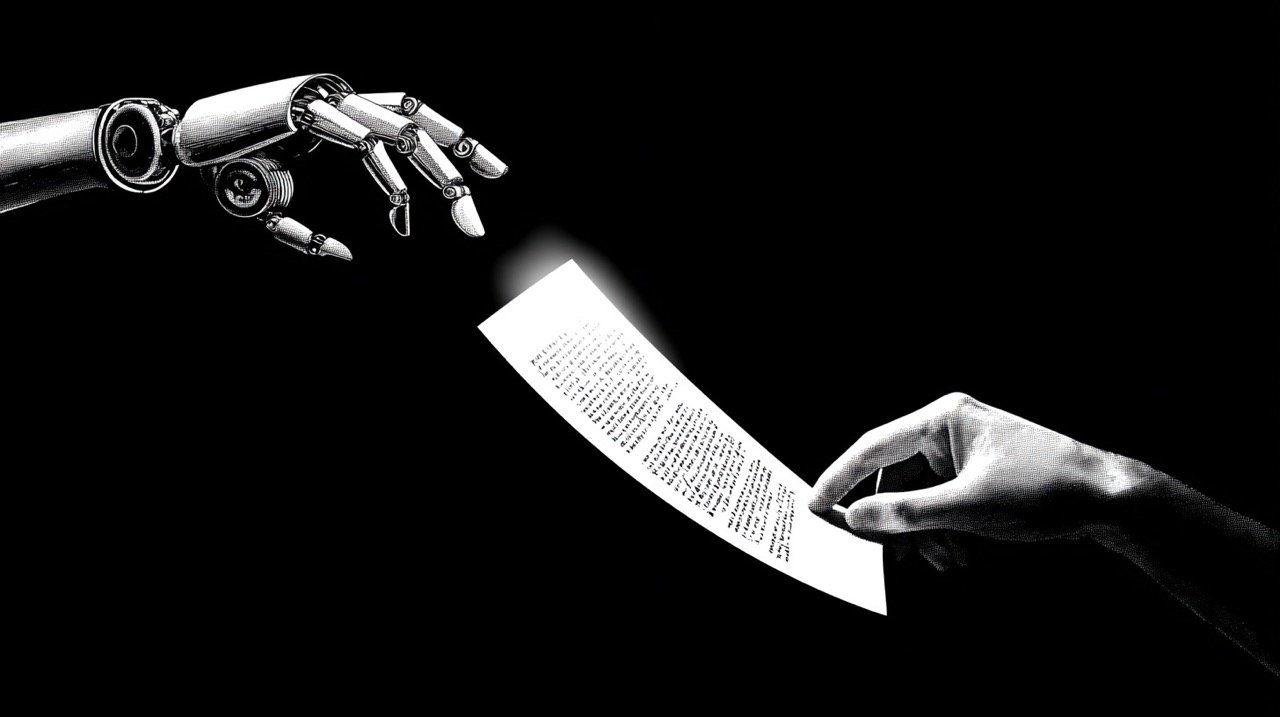
Relying entirely on machine translation services is an obvious mistake. But completely ignoring translation technology is equally detrimental to budgets and timelines. The most effective translation process combines human expertise with advanced machine translation tools.
Machine translation (MT) is the use of software to translate text or speech from one language to another. Today, the process of using artificial intelligence to handle these tasks has fundamentally changed the industry. Here’s why pairing a modern machine translation system and AI with a human translator is currently the most reliable way to scale.
A Short History of Machine Translation Technology
The history of machine translation can be traced back to the Cold War era. In the 1950s, the Georgetown-IBM experiment demonstrated the translation of more than 60 Russian sentences into the English language. This marked the origins of machine translation as a viable field of study.
Early efforts relied heavily on rule-based machine translation, which used built-in bilingual dictionaries and grammatical rules. While groundbreaking, this basic machine translation approach struggled with ambiguity and the complexity of natural language. As computational power grew, the industry shifted toward statistical machine translation in the 1990s and 2000s, which utilized massive amounts of data from sources like the Europarl Corpus to calculate the likelihood of a specific word order.
Different Approaches to Machine Translation
Knowing what types of machine translation systems are available today helps you pick a machine translation approach that will yield the desired translation quality.
Rule-Based and Statistical Machine Translation
After statistical machine translation (SMT) improved the reliance on grammatical rules and dictionaries by analyzing existing human translations to predict the best output, a sub-category of statistical machine translation cropped up: syntax-based machine translation. This incorporated grammatical structure into statistical translation models.
While SMT was the standard for years, these statistical machine translation subsystems struggled with languages that have vastly different syntax.
Neural Machine Translation Software
Today’s modern machine translation landscape is dominated by neural machine translation (NMT), which uses machine learning algorithms, specifically deep learning and artificial neural networks, to predict words based on full sentence context rather than isolated phrases.
NMT provides a higher quality of translation and produces more natural-sounding results. Google Translate and DeepL Translator are primary examples of this machine translation technology.
Hybrid Machine Translation Tools
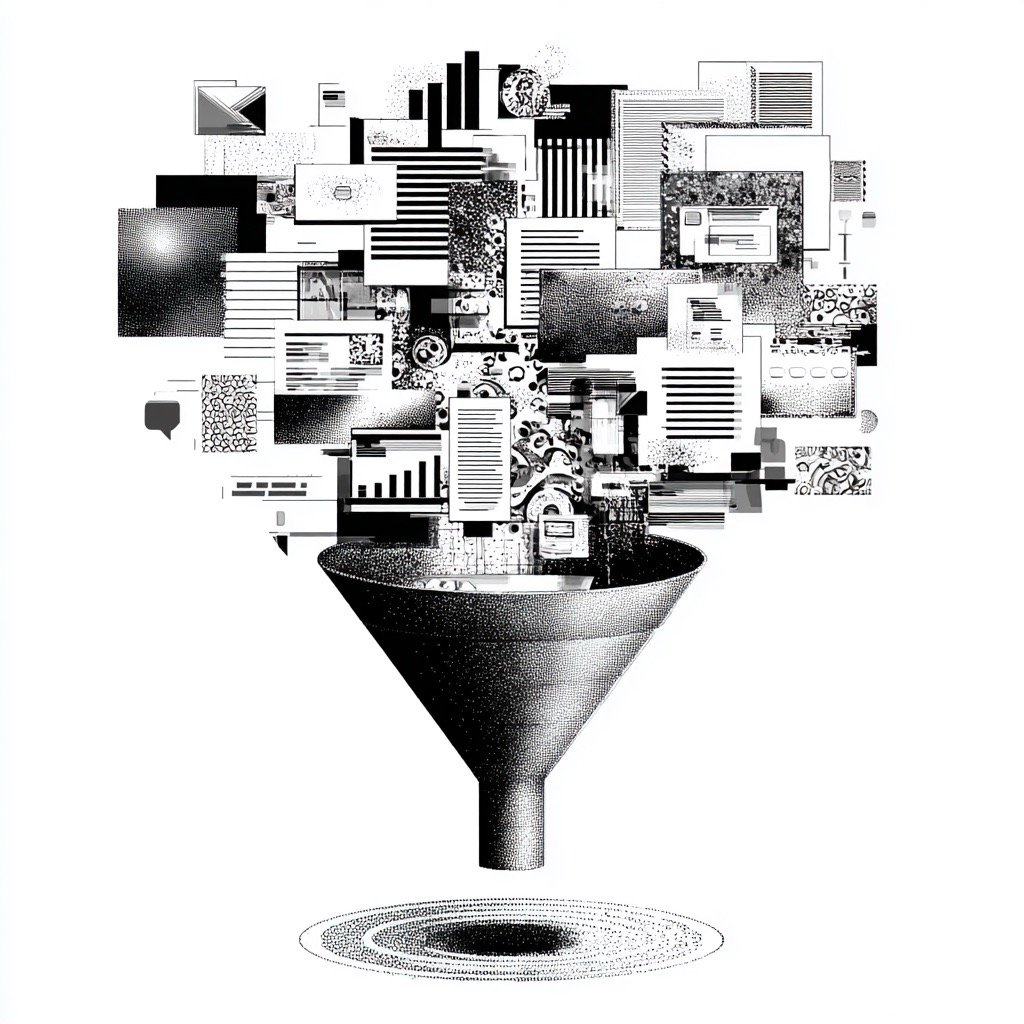
Many enterprise translation management systems (TMS) use hybrid machine translation tools, blending different machine translation models to leverage the accuracy of rules with the fluency of neural networks.
Pure neural networks are excellent at producing natural-sounding text, but they have a known vulnerability: they can hallucinate or completely ignore e.g. strict instructions such as the use of brand glossaries.
Hybrid systems solve this by layering technologies. They typically apply a rule-based engine first to lock down specific terminology, formatting tags, and “Do Not Translate” lists. The software then hands that structured framework over to a neural machine translation engine to generate the surrounding syntax.
Machine Translation vs AI Translation
A common question I get from clients is about the difference between traditional machine translation tools and generative artificial intelligence.
NMT engines are highly optimized, purpose-built translation models. They excel at processing massive volumes of text rapidly and accurately from one language to another.
AI translation, on the other hand, involves using large language models (LLMs) like GPT-5.4 or Opus 4.6. These models have unique advantages: you can prompt the AI to adhere to a specific brand voice, follow a glossary, or adapt the tone based on context.
While NMT is generally faster and more cost-effective for bulk translation work, LLMs offer flexibility. In a nutshell, the process of using artificial intelligence allows for dynamic style changes that standard NMT struggles to replicate.
Integrating Computer-Assisted Translation
It’s important to differentiate between a machine translation engine and the broader localization workflow. The former handles the automated conversion of text. By contrast, a computer-assisted translation (CAT) tool is the software environment in which a human translator works.
When machine translation is used within a CAT tool or TMS, a translation memory (TM) is built. This database stores previously translated strings. So before the machine translation system even touches a new sentence, the software checks the TM. If that exact phrase has already been translated in the past, the software retrieves it and the translator can assess whether it needs to be re-worked or can be re-used as is. This not only helps maintain consistency across the board, but can also save a few cents.
Will Machine Translation Replace Human Translation?
AI has already replaced human translators for bulk, low-visibility text, but not entirely for high-stakes localization.
At the time of writing, raw AI output remains a liability for marketing copy, technical interfaces, and cultural adaptation due to hallucinations and tone deafness. At the warp-speed rate artificial intelligence is evolving at, that is bound to change within the year.

For now though, AI has certainly replaced the outdated process of translating from scratch. So the human role hasn’t disappeared entirely, but it’s definitely morphed into post-editing (MTPE), quality assurance, and cultural strategy, which an awful lot of highly qualified linguists are unhappy about.
FAQ
What’s the best machine translation system?
There is no single “best” tool. DeepL often provides decent enough fluency for European languages, while Google Translate supports a broader range of languages. The best machine translation depends entirely on your specific language pair and technical infrastructure.
How do you use machine translation effectively?
Use machine translation for high-volume, low-visibility content (like internal documentation or user-generated reviews). For high-impact marketing copy, I would still route the machine translation results to a human translator for post-editing.
Does machine language translation work for all languages?
No. Machine translation models perform well on languages with massive amounts of training data (like Spanish, French, and German). They struggle significantly with low-resource languages where sufficient training, validation, and test data sets are unavailable.
Practical Application of Machine Translation
Machine translation is useful, but it’s not a localization strategy in of itself.
For high-volume, low-risk content, it can reduce cost and turnaround time. For brand, UX, compliance, and culturally sensitive content, raw MT or LLM output still needs human review. And the real differentiator is the workflow around its engine: glossary control, translation memory, QA, and clear escalation paths for content that should never be handled automatically.
